
Augias History in English
College radio 1976-1979
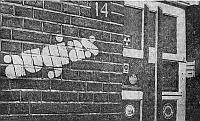
Radio Augias was the online recreation of a student radio station of the same name which broadcast in the Dutch city of Utrecht between 1975 and 1980. In the 2010 online version you heard the same music that was played in the 70s, and the tunes and jingles too, some of which we sang ourselves. The voices of the ‘seventies deejays popped up from time to time, as well as other archive material.
Many of the songs were from vinyl or aging cassette tape, and everything dated back to before 1980. Our format was ‘Jack FM’ even before it was invented: we played what we liked, including pop, rock, symphonic, early electro, foreign language songs in Dutch, French, German, Spanish and what have you, instrumental tracks and some folk music. We bought our singles from the chainstore rejects stand, which explains why you hear so many failed hits – or rather non-hits on Radio Augias.
The webstream was hosted by Radionomy.com, from December 9, 2009 to August 15, 2010, when new listenership thresholds came into force which we could not meet. If we had continued beyond August 15, we would have been faced with annual royalty costs of some 800 dollars. Up to that date, Radionomy covered the payments for the stations it hosted. Radionomy did not air commercials on stations with fewer than 130 listener hours per day, like ours; and we did not have any advertisers of our own, either.
These days, the music station occasionally resurfaces via this webstream. Drop us a line if you want an ‘on air now’ message. (rob.kievit (at] outlook . com – no spaces)
Radio Augias is also producing an infrequent podcast in Dutch. Read more, and subscribe, via the Augias weblog.
Presenters
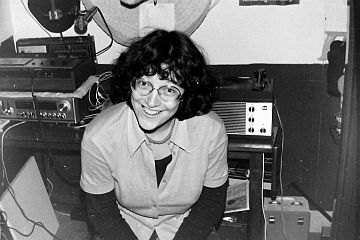
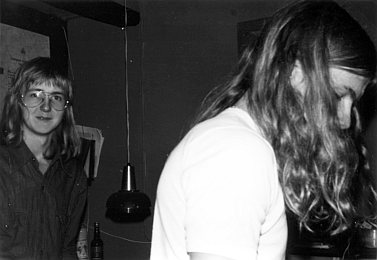
The original deejays were the inhabitants of the Augias student home and their visitors, who occasionally sat down in the hotseat to make a programme and kept coming back. Of them, only Elke and Rob reappeared before the microphone in the 2009-2010 revival version. The others were present only as digitised tape recordings.
Equipment and programmes
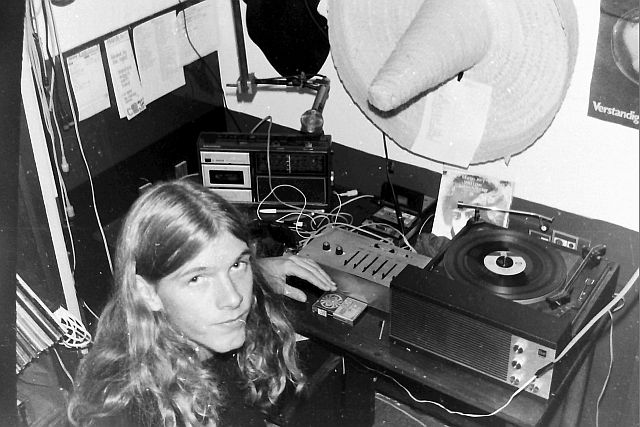
The poor sound quality was due to the lack of money, common among students. We had plenty of time, plenty of fun, but no money. Our kit was a conglomerate of second hand junk, state of the art decks, homemade components and the like. It would be unacceptable today, but no-one had heard of ‘digital’ in the 1970s.
Most of the programmes were live afternoon and evening shows, although we occasionally had a prerecorded programme or late-night show, allowing the deejay to listen horizontally to his own programme.

 De podcasts
 De podcasts
 Webstream (niet altijd)
 Augias